


How to Set Up an Aquarium
Setting up a planted aquarium is a rewarding journey that brings a living piece of nature into your home. This guide will walk you through each step of the process, from planning to maintenance, making it easy for beginners to create their own thriving underwater garden.

Contents
- Planning Your Aquarium
- Essential Equipment
- Setting Up Your Tank
- Adding Plants
- Cycling Your Tank
- Adding Fish
- Maintenance Routine
- Troubleshooting Common Issues
Planning Your Aquarium
Like all plants, aquatic species need several key elements to thrive:
Choose Your Tank Size
For beginners, we recommend starting with at least a 40 - 80 litre (10 - 20 gallon) tank. Larger tanks are actually easier to maintain as they provide more stable water conditions.
Select a Location
Place your tank
- Away from direct sunlight (to prevent algae blooms).
- On a sturdy, level surface that can support the weight.
- Near electrical outlets for your equipment.
- Away from drafts, heaters, or air conditioners.
Decide on Your Style
Consider which aquascaping style appeals to you:
- Nature Aquarium: A natural landscape with hills, valleys, and paths, often inspired by terrestrial scenery.
- Dutch Aquarium: Focused on colourful plant arrangements in rows like a garden, with minimal hardscape.
- Iwagumi: Minimalist style with rocks as the focal point and simple plants for a serene, Zen-like layout.
- Jungle Style: Dense, wild-looking plant growth with minimal hardscape, often giving a more natural and untamed feel.
Pro-tip: You can always design your aquarium based on your own vision. Collect inspiration from photos and sketch a rough layout before you begin.

Essential Equipment
Must-Have Items
- Tank and stand: Ensure your stand is designed for aquariums - needs to be level and moisture resistant.
- Filter: Choose from hang-on-back, canister, or sponge filter depending on tank size.
- Light: LED lighting specifically designed for planted tanks. Good lights promote strong plant growth and colouration.
- Substrate: Specialised aquarium soil or gravel with root tabs for heavy root feeders.
- Heater: Appropriate wattage for your tank size.
- Accessories and Tools: Thermometer, scissors & tweezers, hose, bucket.
Optional but Beneficial
- CO2 system: For demanding plants and faster growth. Pressurised systems are reliable, while DIY systems can work for smaller tanks.
- Fertilisers: Liquid or root tabs to provide essential nutrients.
- Testing kit: To monitor water hardness, ammonia, nitrite, nitrate, and pH levels accurately.
Setting Up Your Tank
Clean Everything
Rinse your tank, sand/gravel, and hardscape with plain water. Do not rinse aqua soil or use soap or cleaning chemicals.
Add Substrate
- Pour substrate gently into aquarium to prevent dust cloud.
- Aim for 1 - 2 inches (2.5 - 5cm) in the front and 2 - 3 inches (5 - 7.5cm) in the back for depth and perspective.
Pro-tip: Create slopes and contours early - they’ll be harder to adjust once filled with water and plants.
Install Equipment
- Position your heater, filter, and any other equipment according to manufacturer instructions.
- Don’t plug anything in yet - wait until the tank is filled. Double check equipment is positioned for good circulation.
Add Hardscape
Place rocks and driftwood to create:
- Focal points - use one or two main pieces as your centerpiece, supported by smaller elements.
- Hiding places for fish - caves, tunnels, or shaded areas give fish a sense of security.
- Natural appearance - arrange pieces to mimic how wood or stones might appear in nature, avoiding overly symmetrical layouts.
- Different height levels - use rocks and driftwood to create vertical contrast and depth.
Fill with Water
- Pour water slowly into aquarium prevent disturbing the substrate.
- Fill up to halfway for easier planting.


Adding Plants
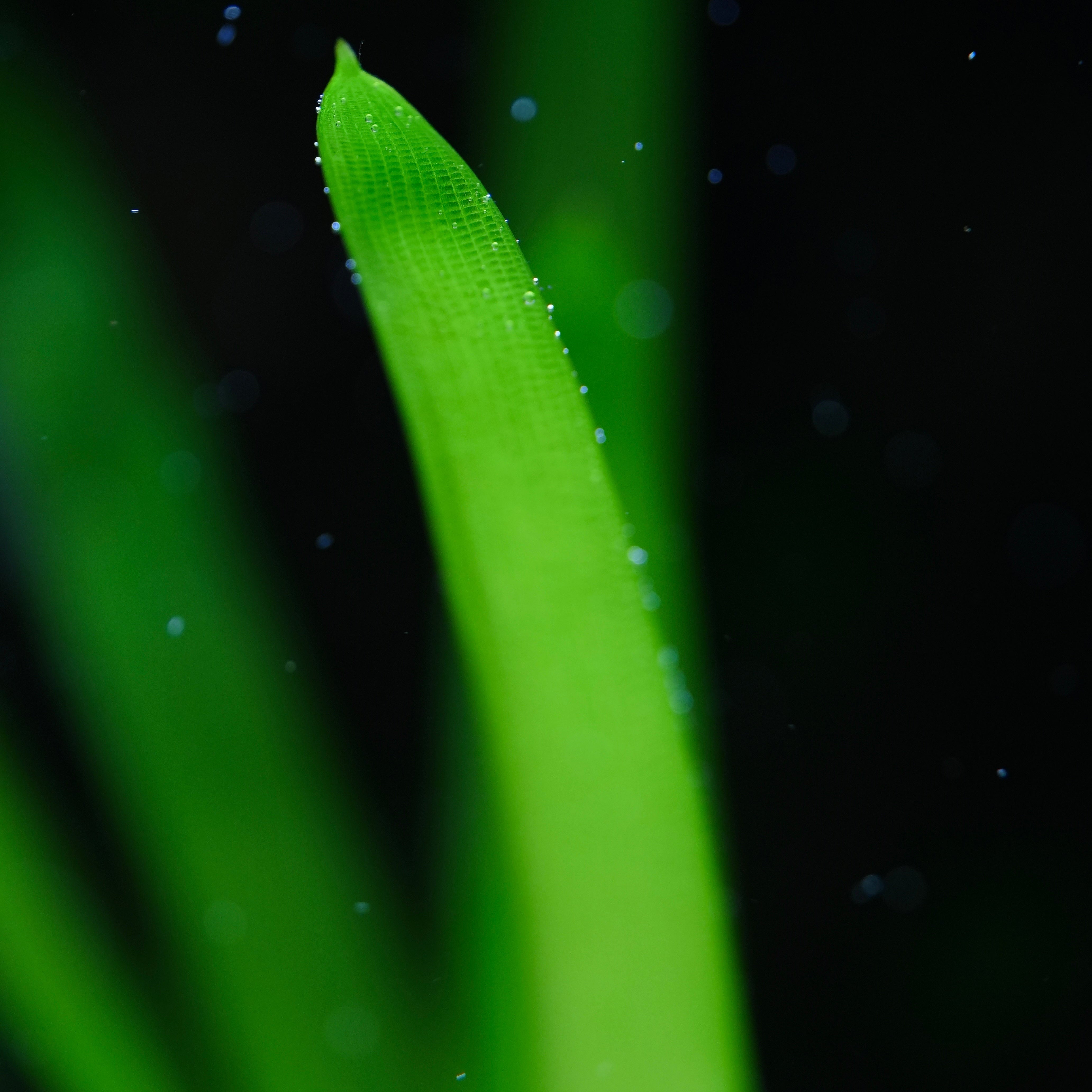
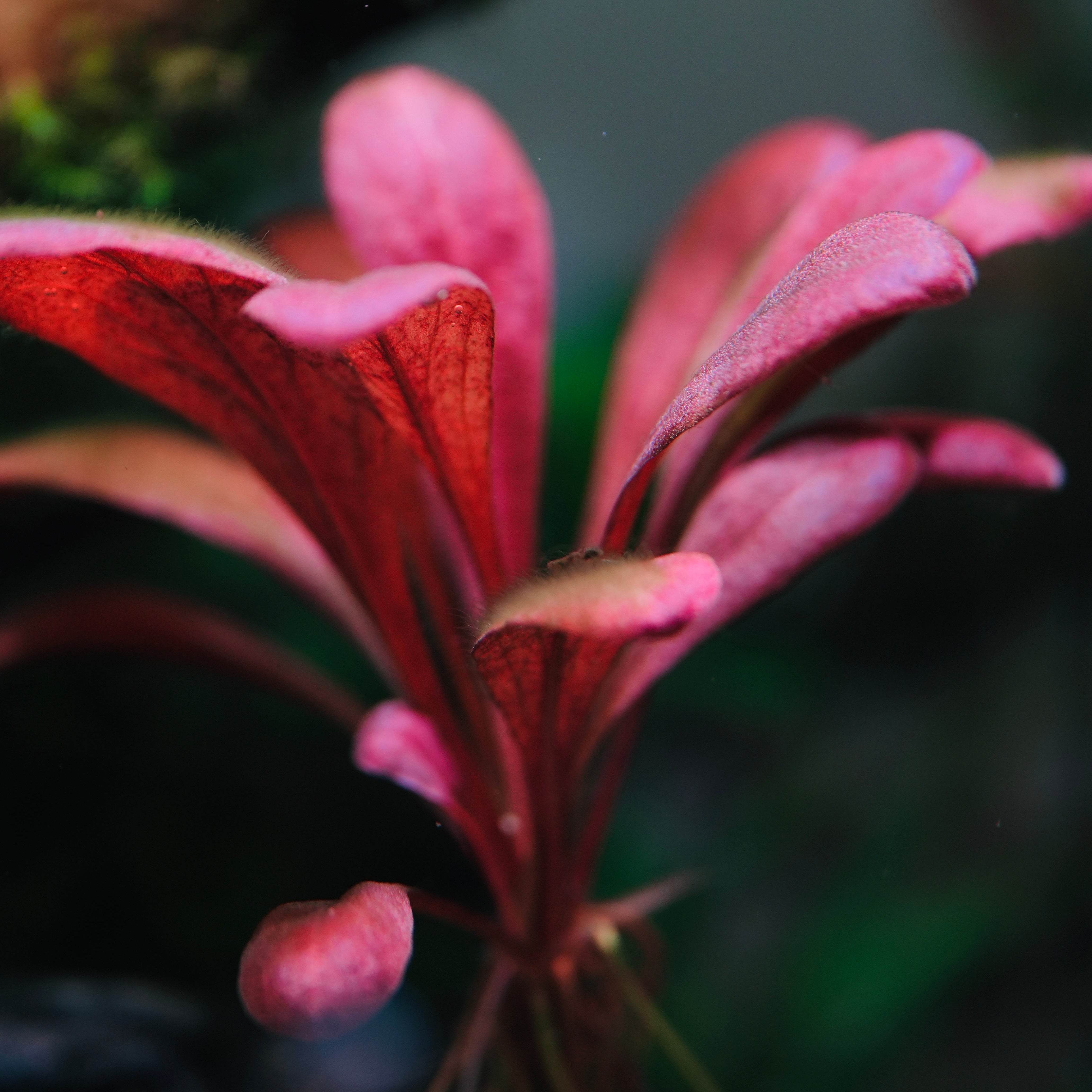
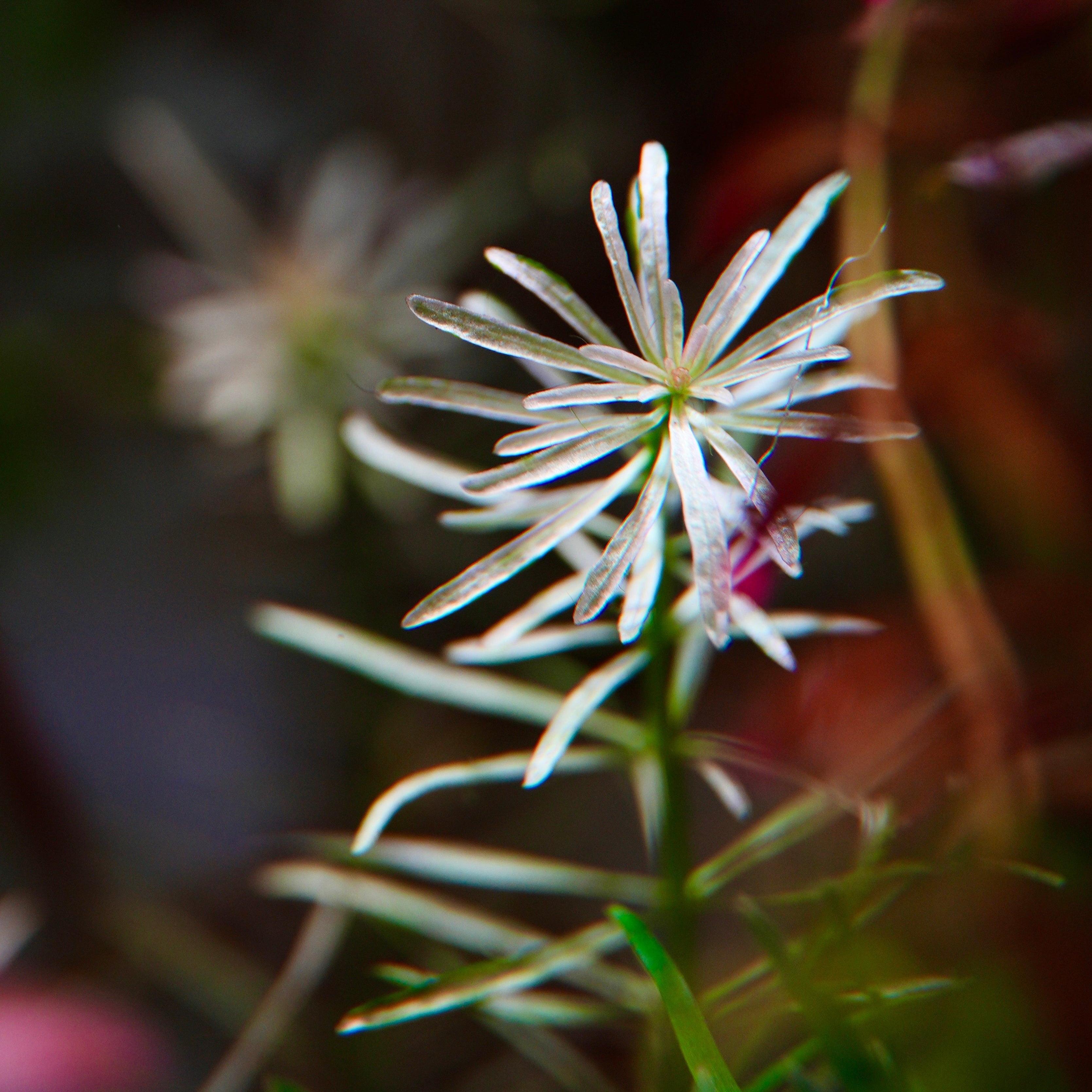
Types of Aquarium Plants by Difficulty
Easy Plants (Low light, no CO2):
- Anubias: Attach to hardscape, extremely hardy, slow-growing, low light.
- Bucephalandra: Attach to hardscape, slow-growing, colourful.
- Java Fern: Attach to hardscape, hardy, low light.
- Amazon Sword: Plant in substrate, good as a background plant.
- Java Moss: Attach to hardscape, great for coverage and hiding places.
Intermediate Plants (Medium-High light, CO2 preferred):
- Cryptocoryne: Plant in substrate, available in many varieties.
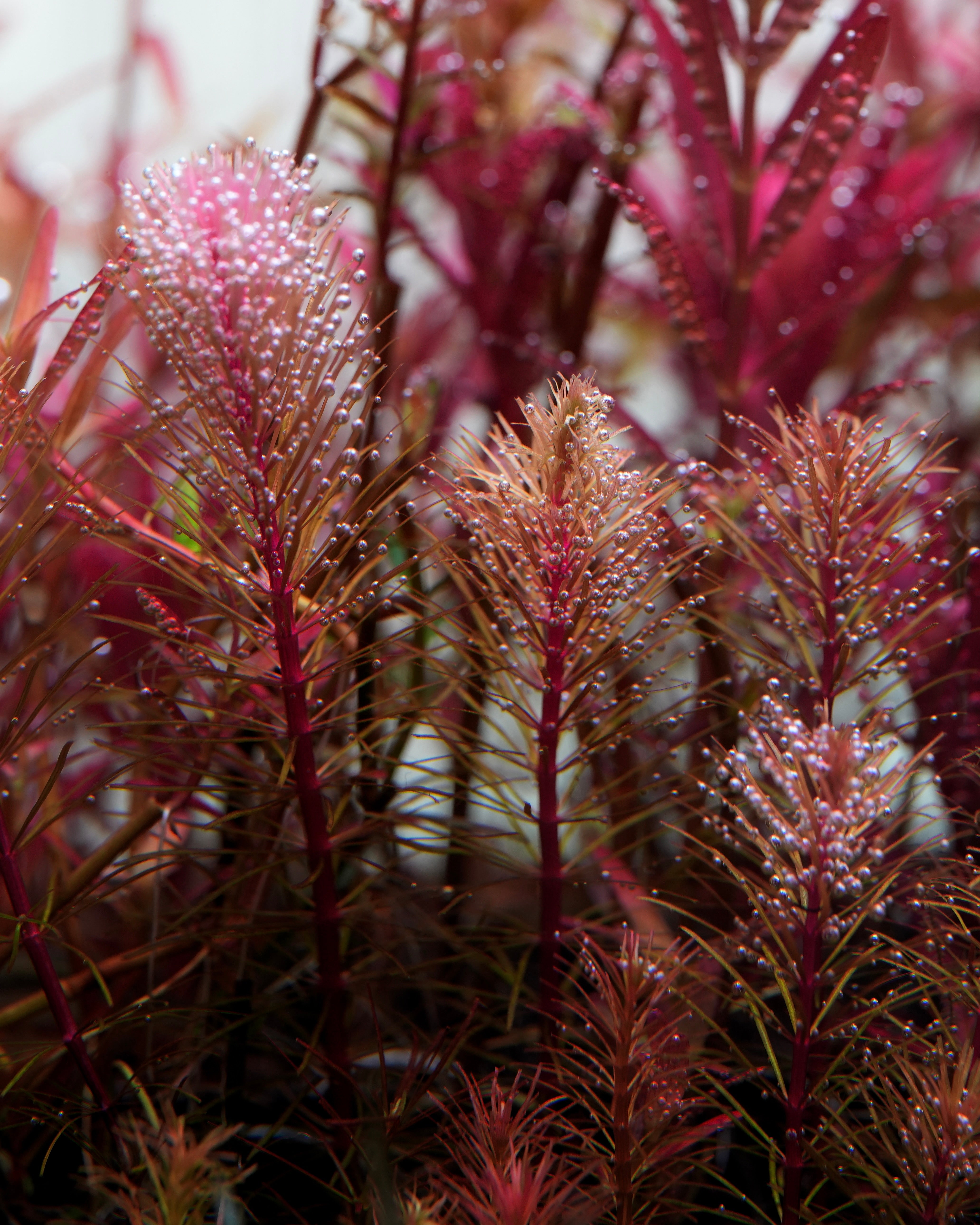
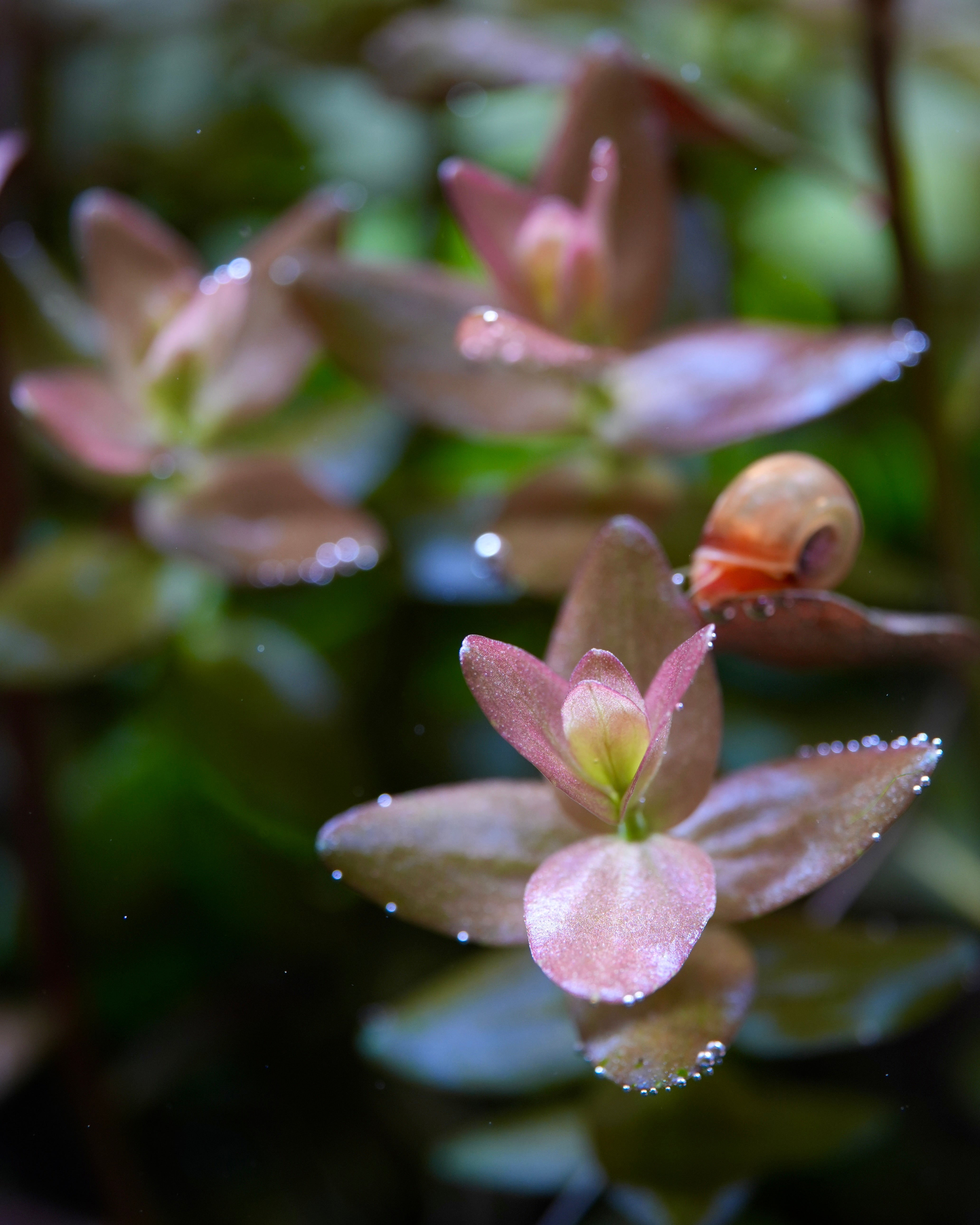
- Stem plants: Rotala, Ludwigia, Hygrophila, Limnophila, and more.
Advanced Plants (High light, CO2 required):
- Carpeting plants: Monte Carlo, Dwarf Baby Tears (HC).
- Rare plants: Eriocaulon, Xyris, Tonina.
- Variegated plants: White plants, marbled plants.
Planting Techniques
Please refer to our in-depth planting techniques guide.
Planting Layout Tips
- Plant in groups rather than individual specimens for a fuller, natural look.
- Place taller plants in the background, medium in the midground, and shorter plants in the foreground.
- Leave space for plants to grow.
- Create a path or focal point to guide the eye.
Pro-tip: Mist plants regularly while planting to prevent them from drying out. Consider planting with long tweezers for precision and to avoid disturbing the substrate.
Cycling Your Tank
What is Cycling?
Cycling establishes beneficial bacteria that convert toxic ammonia into less harmful nitrates. This process takes 4 – 6 weeks.
The Nitrogen Cycle
- Fish waste and decaying matter produce ammonia (toxic to fish).
- Beneficial bacteria convert ammonia to nitrite (also toxic).
- Different beneficial bacteria convert nitrite to nitrate (less harmful to fish).
- Plants use nitrates and ammonium as fertiliser, and regular water changes remove excess.
How to Cycle Your Tank
- Complete tank setup including plants.
- Turn on equipment (filter, heater, lights).
- Add a source of ammonia or mature aquarium water.
- Test water parameters regularly.
- When tests show 0 ammonia, 0 nitrite, and some nitrates, your tank is cycled.
Pro-tip: Some aqua soils contain ammonia.
Adding Fish
When to Add Fish
Wait until your tank is fully cycled (2 – 4 weeks after setup) before adding any fish.
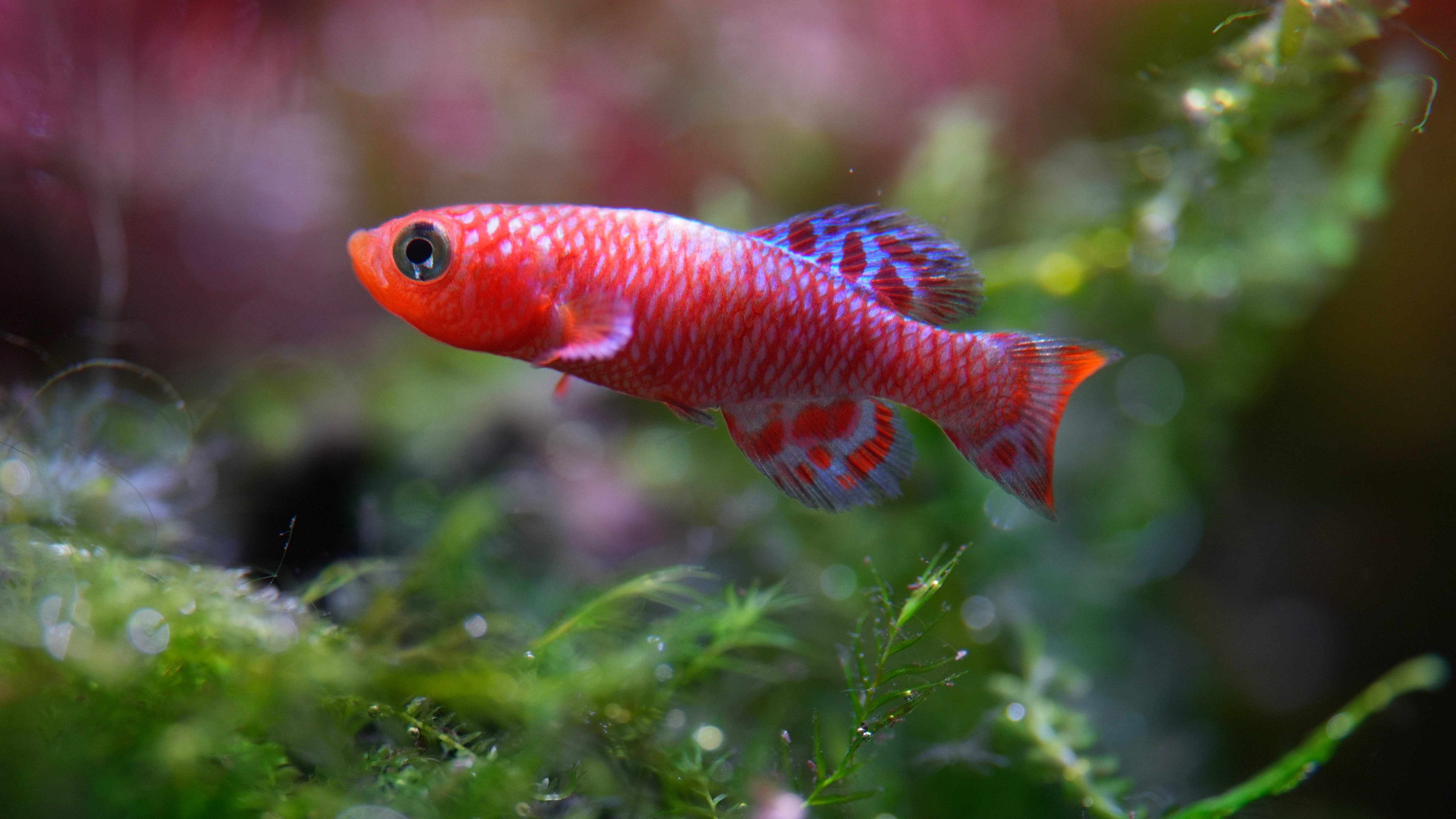
Choosing Compatible Fish
Good beginner fish for planted tanks include:
- Tetras: Neon, Cardinal, Ember (schooling fish, get at least 6). They add movement and colour.
- Rasboras: Harlequin, Chili (schooling fish, get at least 6). Peaceful and vibrant.
- Corydoras: Bronze, Albino, Pygmy (bottom dwellers, get at least 4). Great for keeping substrate clean.
- Otocinclus: Algae eaters (get at least 3). Sensitive at first, but excellent helpers.
- Shrimp: Cherry, Amano (excellent cleaners). Provide constant algae control and fun behavior.
- Snails: Nerite, Mystery (help control algae). Hardy and useful for maintenance.
Introducing Fish Properly
- Float the closed bag in your aquarium for 15 – 20 minutes to match temperature.
- Add small amounts of your tank water to the bag every 5 minutes.
- After 30 minutes, use a net to transfer fish to your tank (don’t pour bag water in).
- Start with a small number of fish and add more gradually over weeks.
Maintenance Routine
Daily Tasks
- Feed fish appropriately (small amounts, only what they can eat in 2 - 3 minutes).
- Check equipment is functioning.
- Remove any visible debris.
Weekly Tasks
- Test water parameters (water hardness, ammonia, nitrite, nitrate, pH).
- Perform water change (25 - 30% of tank volume). Alternatively change 50% of tank volume every fortnight.
- Trim fast-growing plants as needed.
- Dose liquid fertilisers if using.
Monthly Tasks
- Deep clean filter if clogged or excessively dirty.
- Replace any root tabs if using.
Maintaining Plant Health
Algae Problems
- Green water: Too much light or nutrients - reduce lighting period, increase water changes.
- Brown algae: Common in new tanks - wipe off, improve water circulation.
- Hair algae: Manually remove, reduce light, consider algae-eating creatures.
- Black brush algae: Spot treat with hydrogen peroxide, increase CO2 if using.
Pro-tip: Algae often indicates imbalance. Adjust light, nutrients, or CO2 gradually - avoid big swings.
Plant Problems
- Yellow leaves: Likely nutrient deficiency - consider comprehensive fertiliser.
- Melting plants: Common when plants adapt to new conditions - remove dead parts and be patient.
- Slow growth: Check light intensity and duration, consider adding fertilisers.
Fish Problems
- Gasping at surface: Low oxygen or ammonia spike - check parameters immediately, increase aeration.
- Lethargy: Could be poor water quality or disease - test water and observe symptoms.
- Aggression: Inadequate hiding places or incompatible species - add more plants/hardscape or separate incompatible fish.
Final Tips For Success
- Be patient: A planted tank is a living ecosystem that needs time to establish.
- Research: Learn about the specific needs of your plants and fish.
- Keep it simple: Start with easier plants and gradually try more challenging species.
- Ask for help: Read our comprehensive guides and join online forums for advice.
- Enjoy the process: The journey of creating and maintaining your aquarium is just as rewarding as the result.
Visit our store for all the supplies you need to kick start your journey, and don't hesitate to contact us with any questions.