Understanding Plant Forms
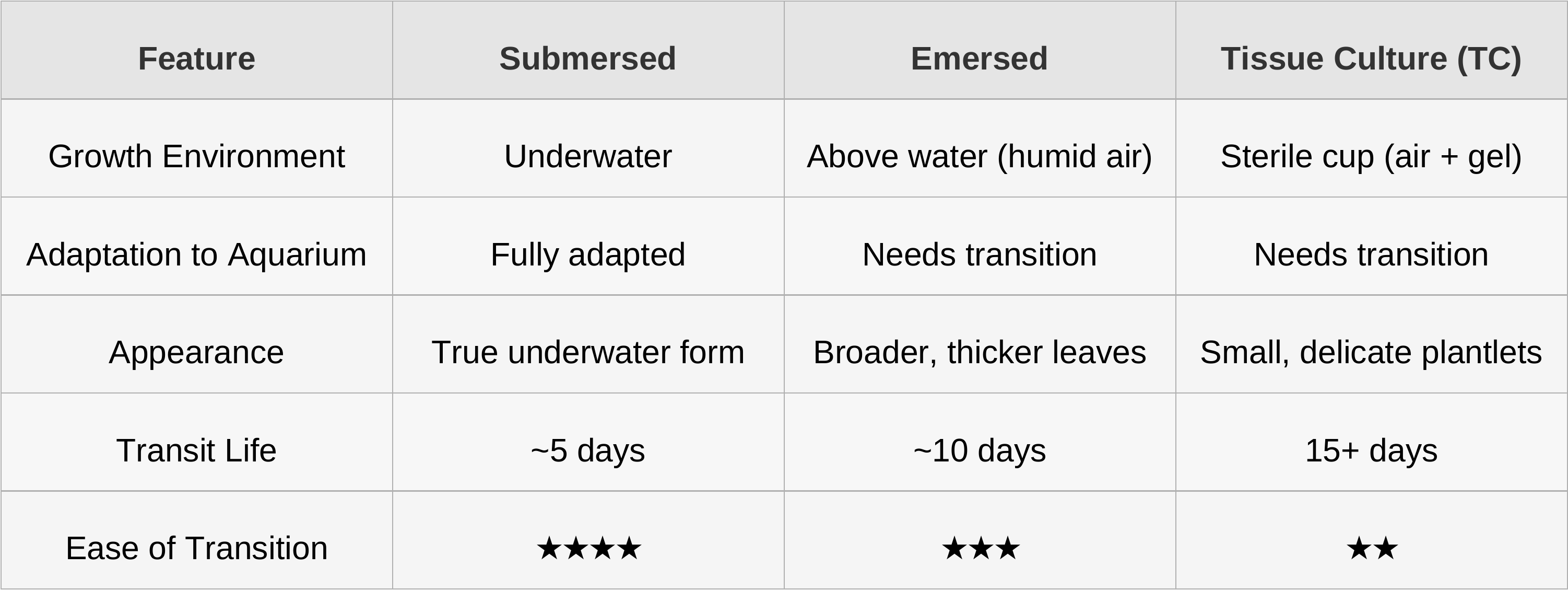
Aquatic plants are typically available in three forms — submersed, emersed, and tissue culture (TC). Each form has its own characteristics, appearance, and transition process once placed in an aquarium.
Most aquarium plants are grown emersed, meaning above the water line in humid environments, while tissue culture plants are lab-grown in sterile gel cups, and submersed plants are those already grown underwater.
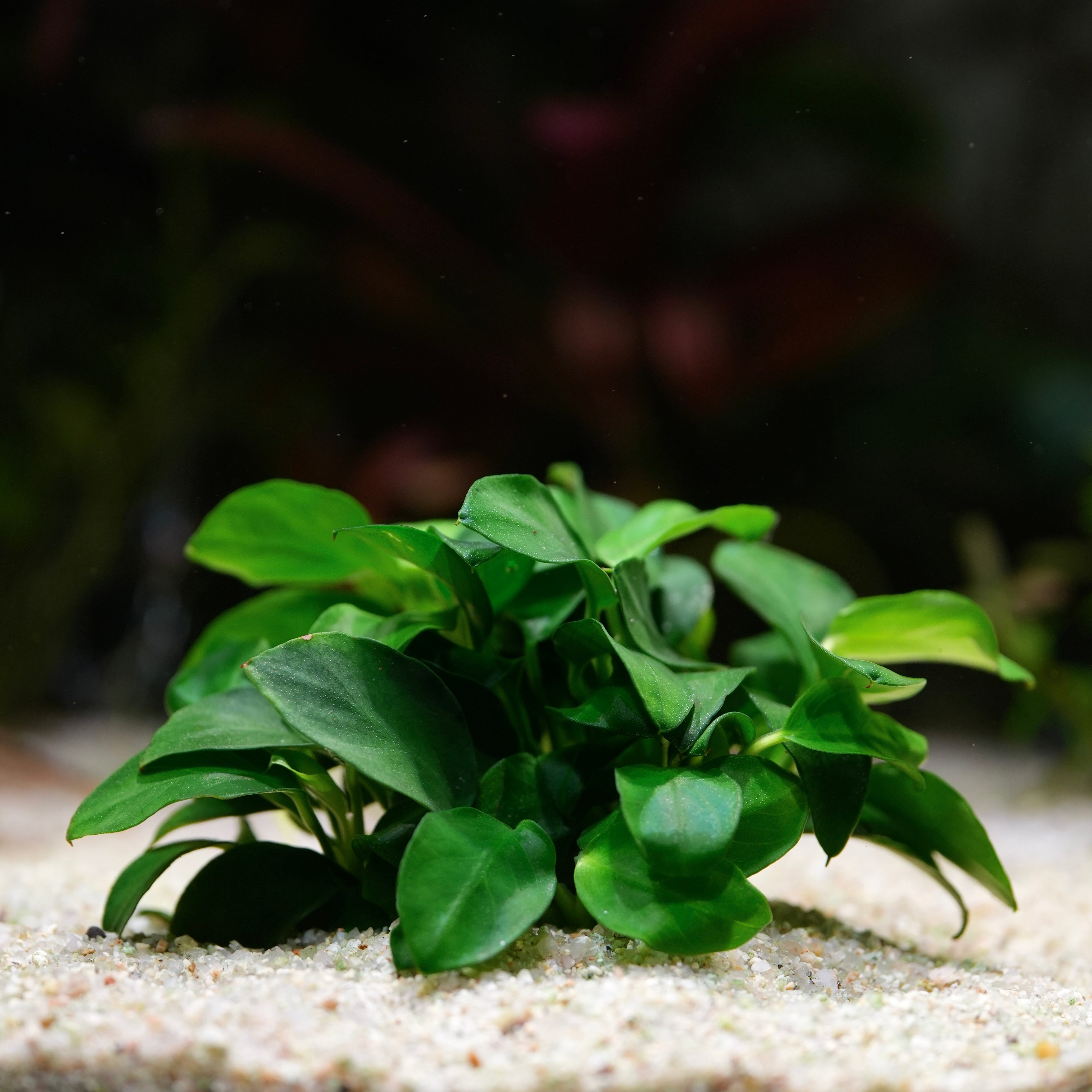
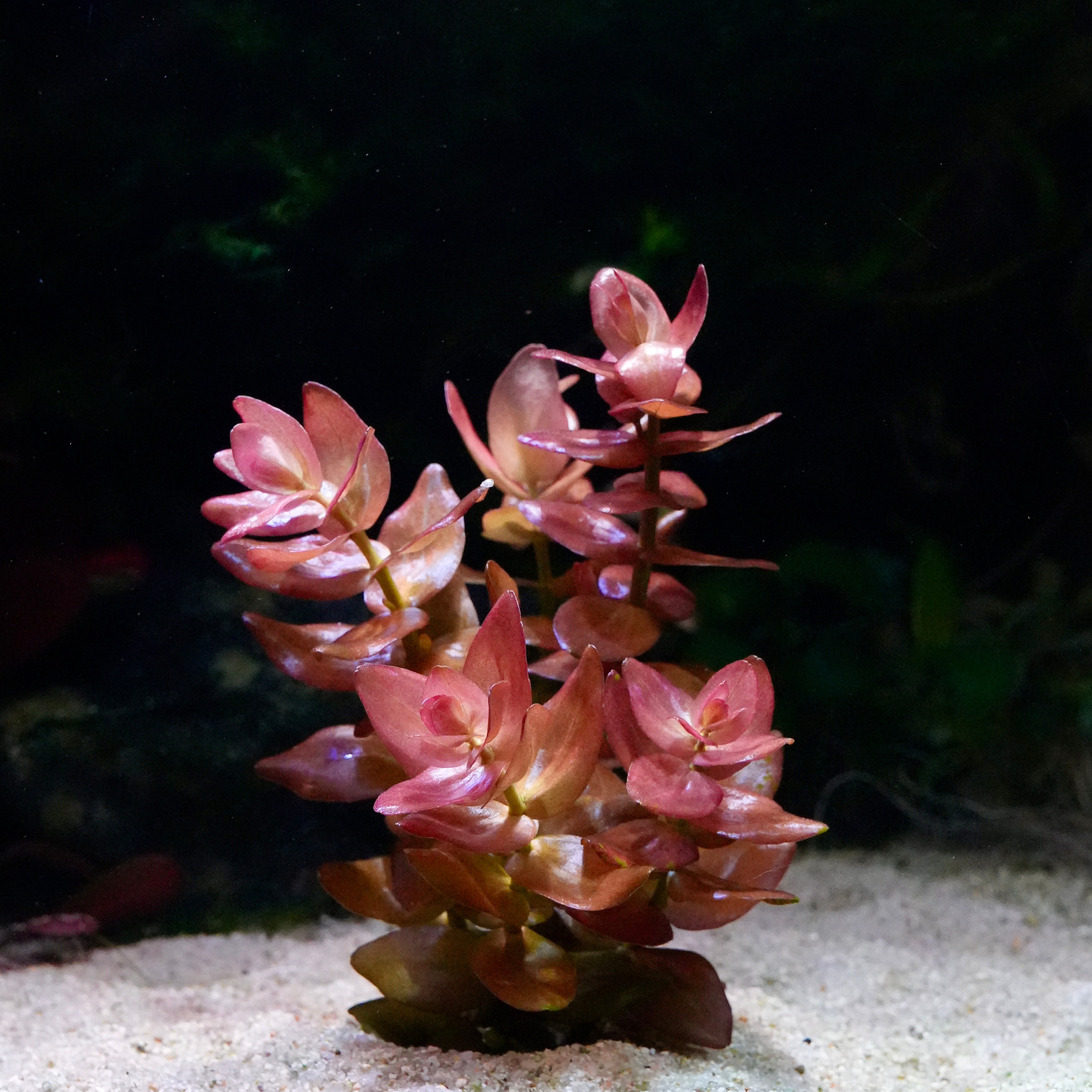
Submersed Plants
Definition:
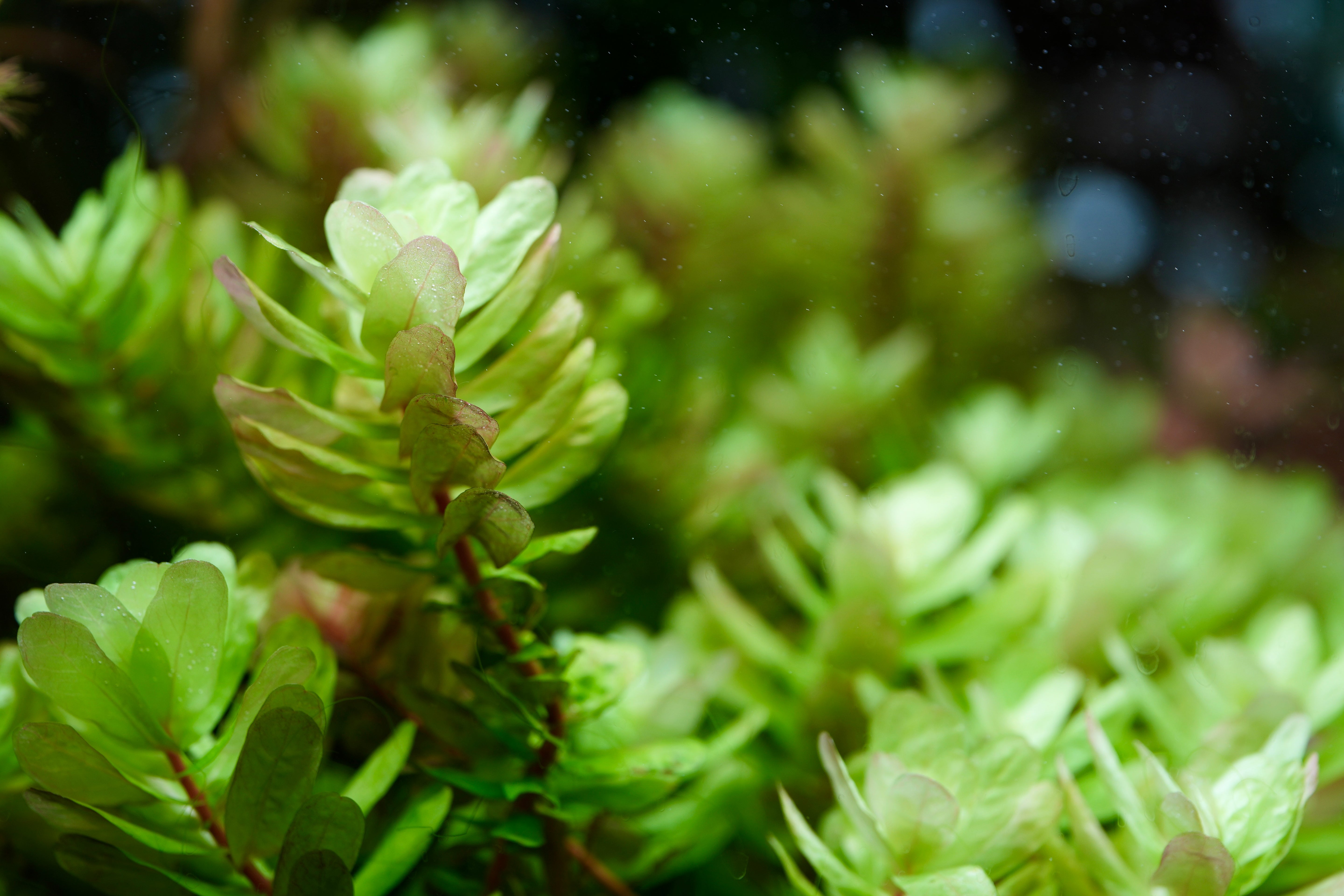
Plants that are fully adapted to underwater conditions.
Characteristics:
- Already accustomed to aquatic life — they’ll transition easily from store to aquarium.
- Display true underwater leaf shapes, colours, and textures.
- Typically grow slower than emersed plants since underwater conditions limit light and CO₂ availability.
Advantages:
- Immediately ready for underwater
- Highest success rate
- True appearance
Considerations:
Growing plants submersed is more demanding and slower for nurseries, making them rarer and more costly. Despite this, we specialise in offering one of the largest selections of submersed plants, ensuring a smoother start for aquarists.
Emersed Plants
Definition:
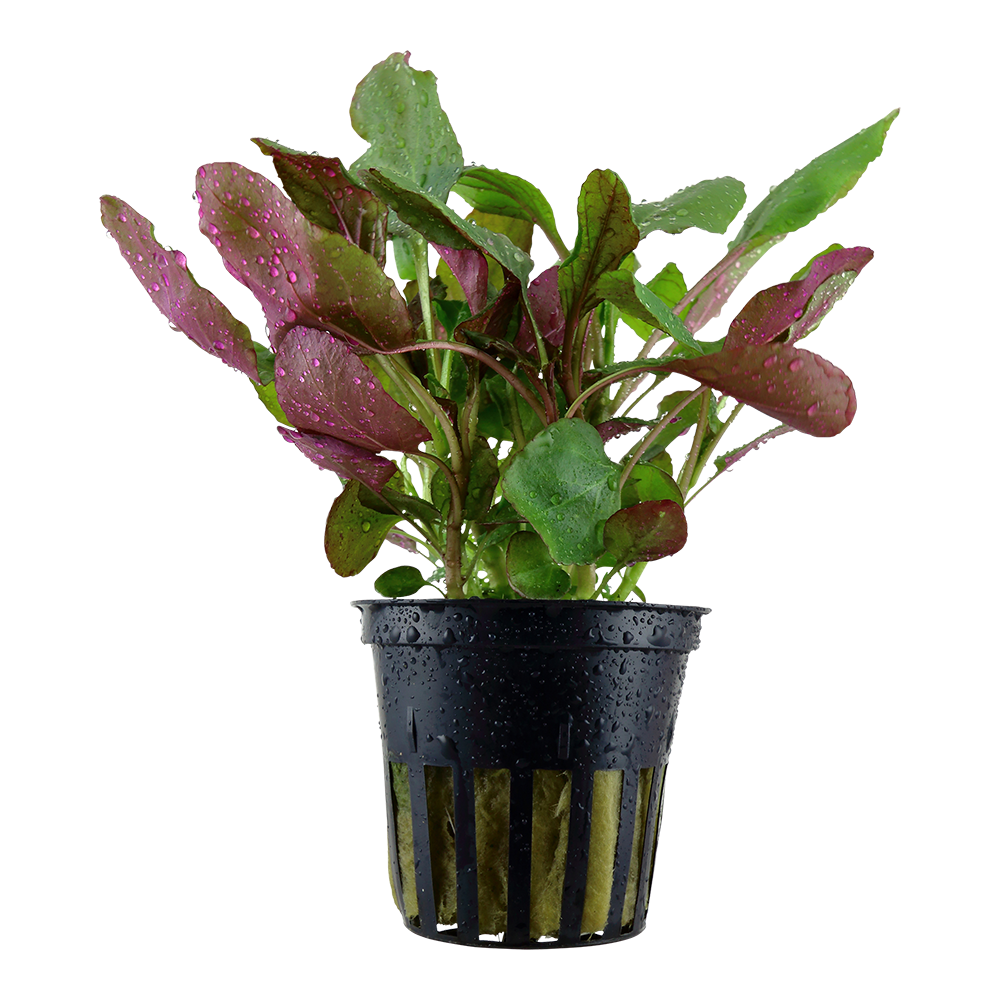
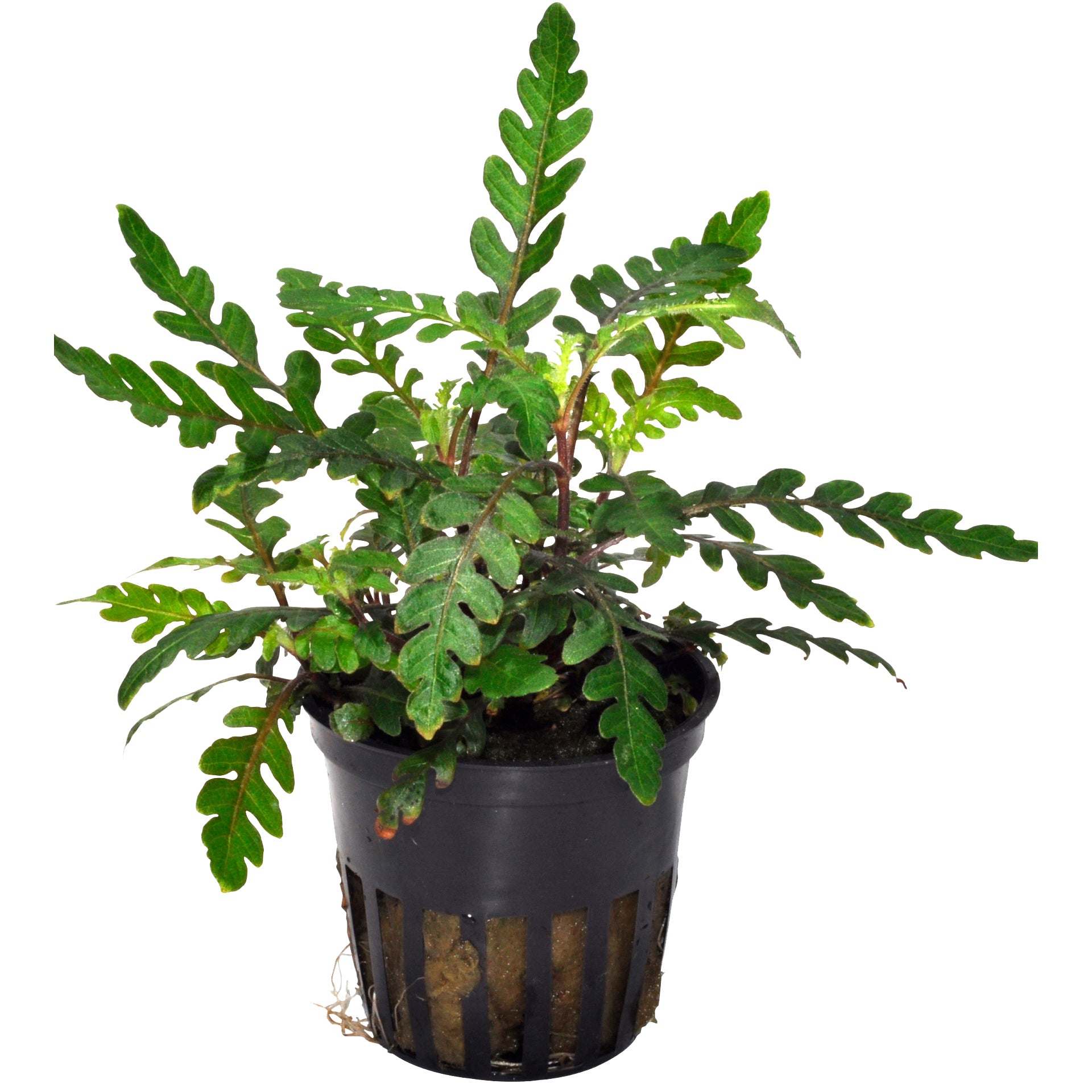
Plants grown above water but in humid, greenhouse-style conditions with their roots submerged.
Characteristics:
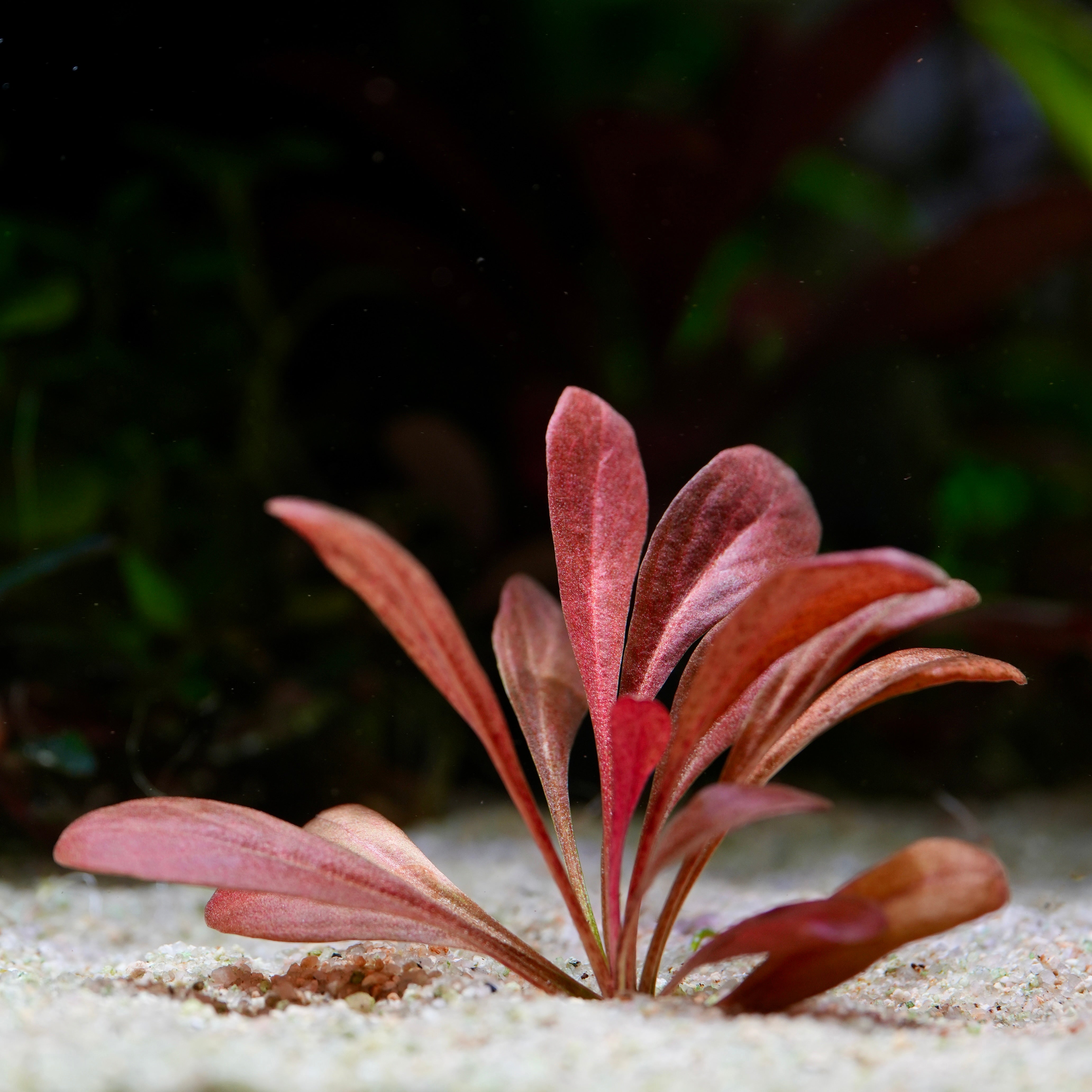
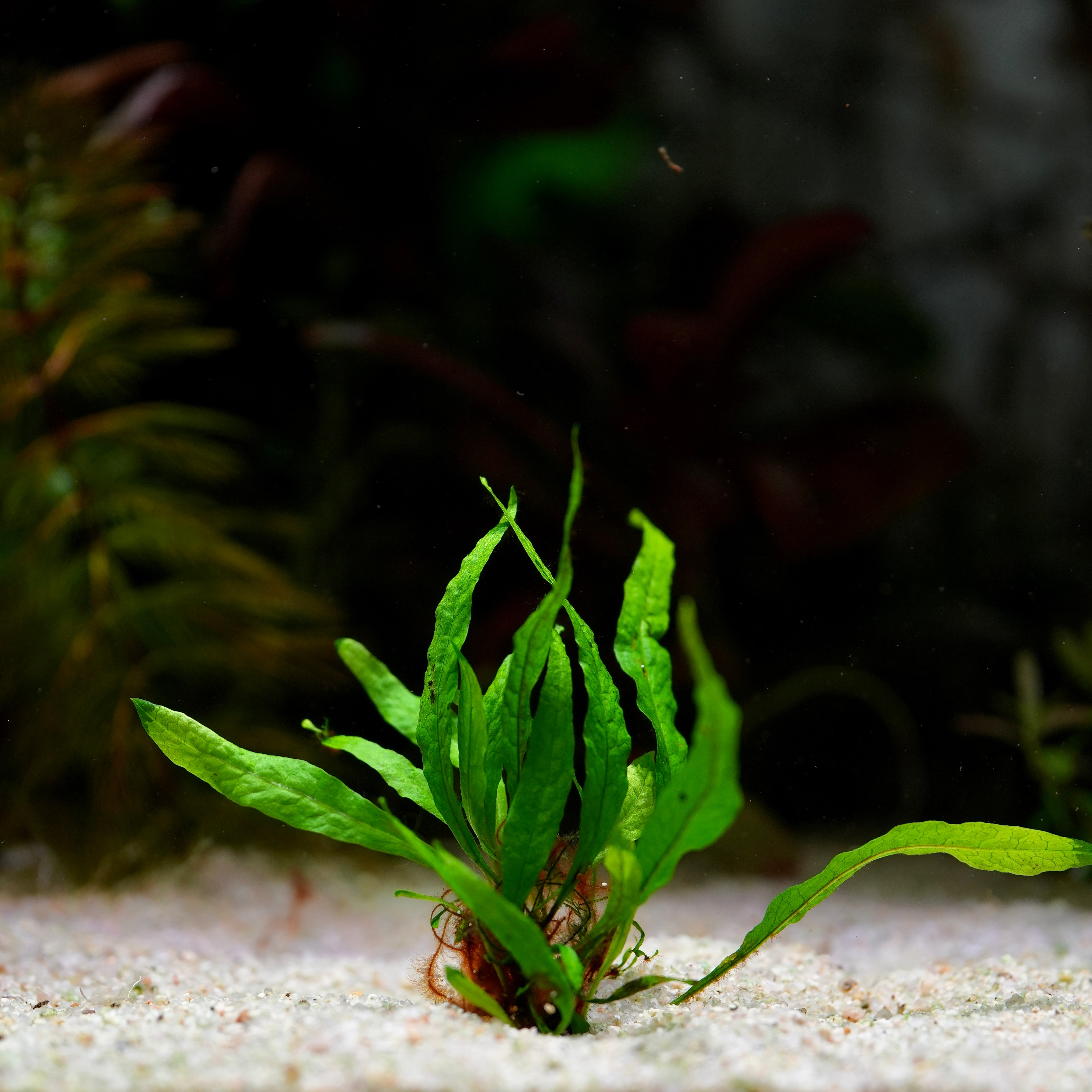
- Stems and leaves are formed for air exposure.
- When submerged, the plant must transition — new underwater growth will look different in shape, texture, and sometimes colour.
- Most aquarium plants sold in stores are grown emersed.
Transition Process:
Once placed underwater, older emersed leaves may melt away as the plant adapts. Within weeks, new submerged leaves emerge better suited to the aquatic environment.
Advantages:
- Easier and faster to produce
- Can survive longer during shipping (up to two weeks)
Considerations:
Some species adapt faster than others — patience and stable conditions help ensure success. E.g. fast growing plants will take a few days or weeks, whereas slow growing plants could take longer.
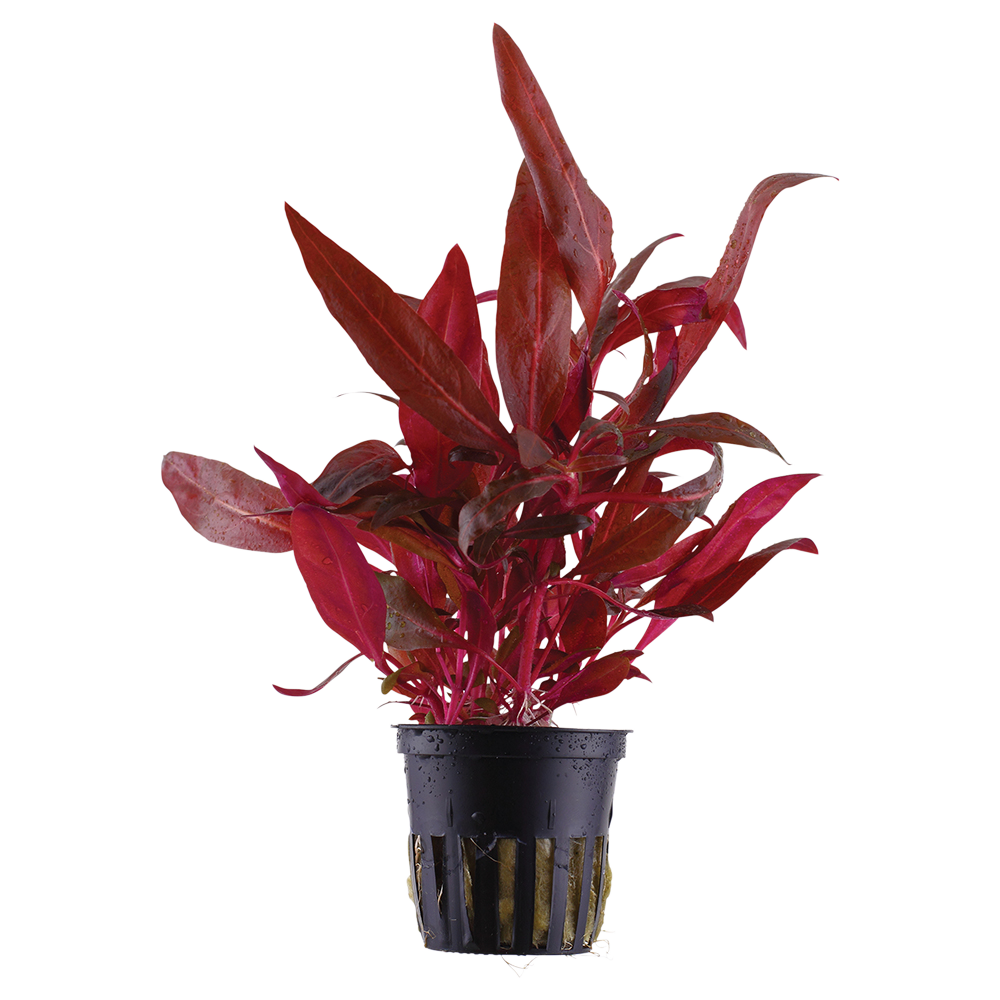
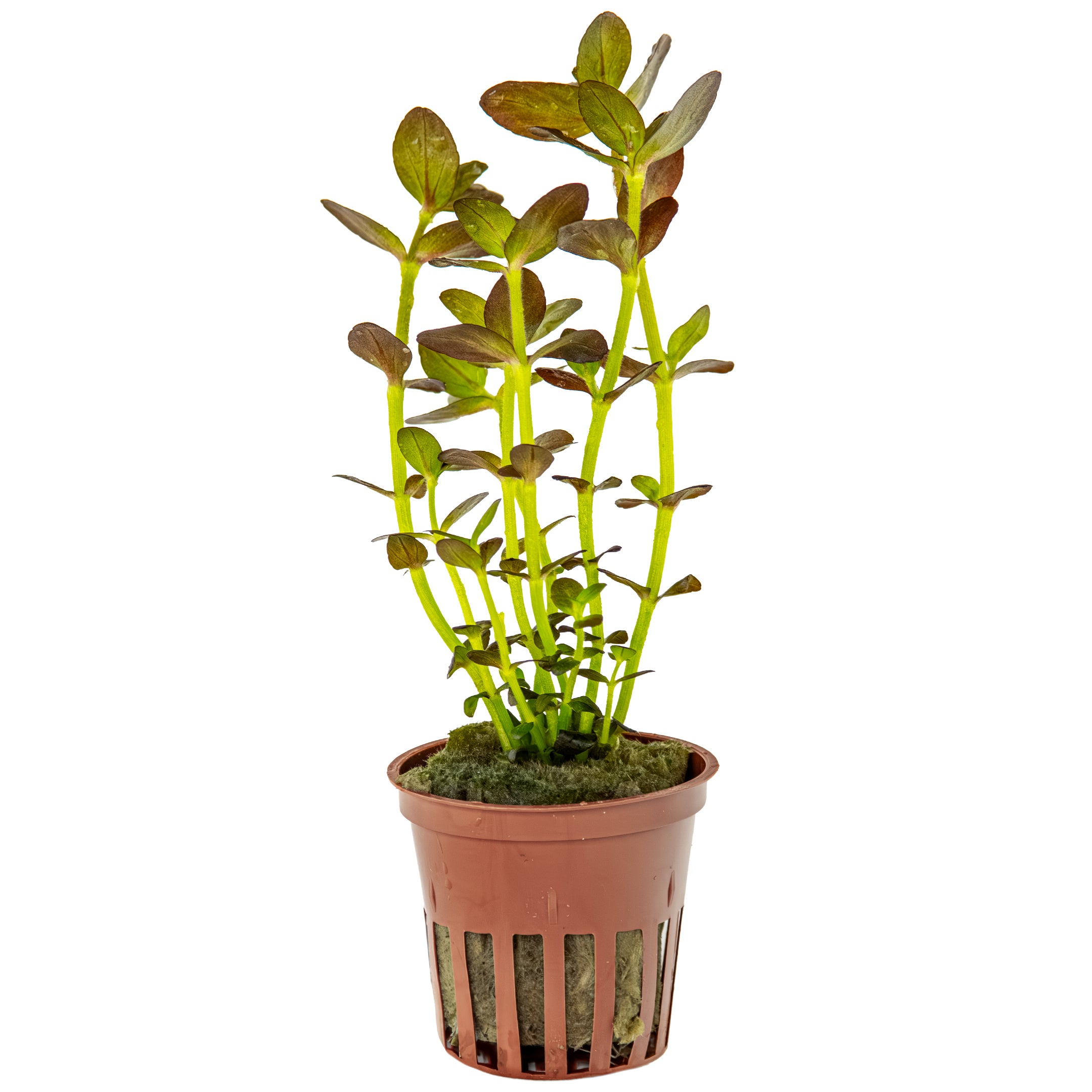
Tissue Culture (TC) Plants
Definition:
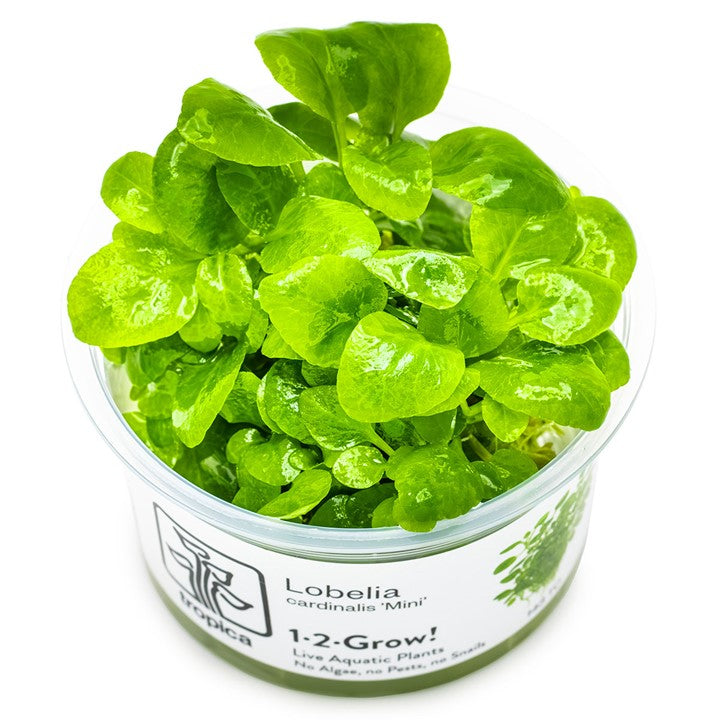
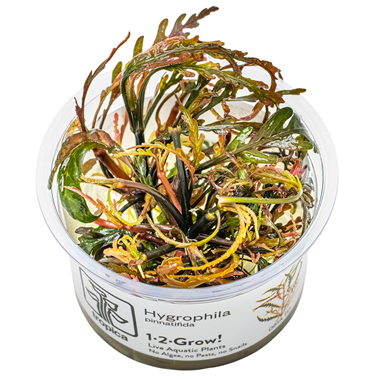
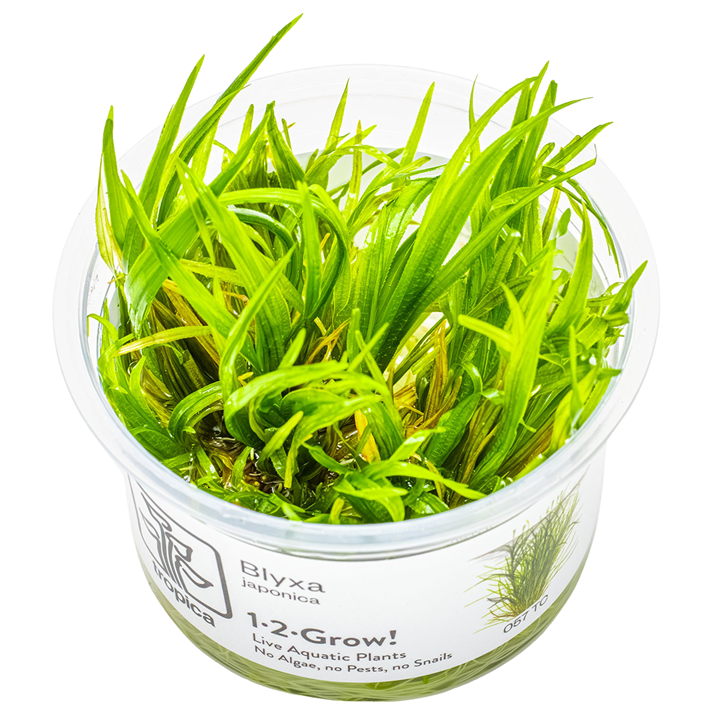
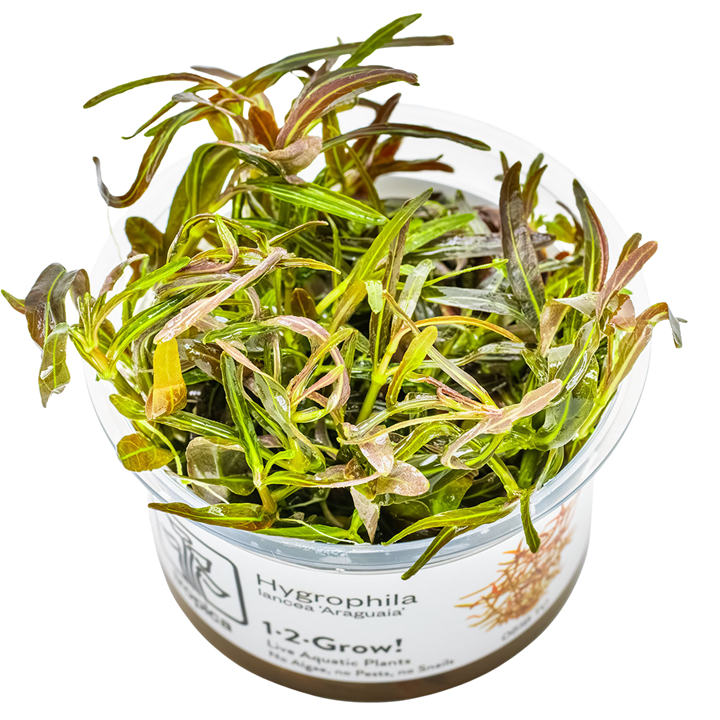
Plants grown in sterile laboratory conditions inside sealed cups containing nutrient-rich gel.
Characteristics:
- 100% pest, algae, and snail free.
- Compact, clean, and safe for sensitive aquariums or shrimp tanks.
- Contain many small plantlets ready to be separated and planted individually.
Transition Process:
Because tissue culture plants are grown in air, they must adapt to underwater life. This may take several weeks to months, particularly for slower-growing species.
Advantages:
- Sterile
- Longer shelf life
Considerations:
More delicate during transition — avoid sudden changes in light, temperature, or fertilisation. Sensitive plants can be tricky to transition without perfect conditions.